


Buying car parts online has gone from a niche option to a mainstream habit for drivers, DIY enthusiasts, and even professional mechanics. Lower prices, broader availability, and easy comparisons make online stores attractive—but pricing can sometimes feel confusing. Why does the same brake pad cost $40 on one site and $75 on another?
Let’s break down how online car parts pricing works, where to buy parts online, and the real pros and cons you should know before clicking “Buy now.”
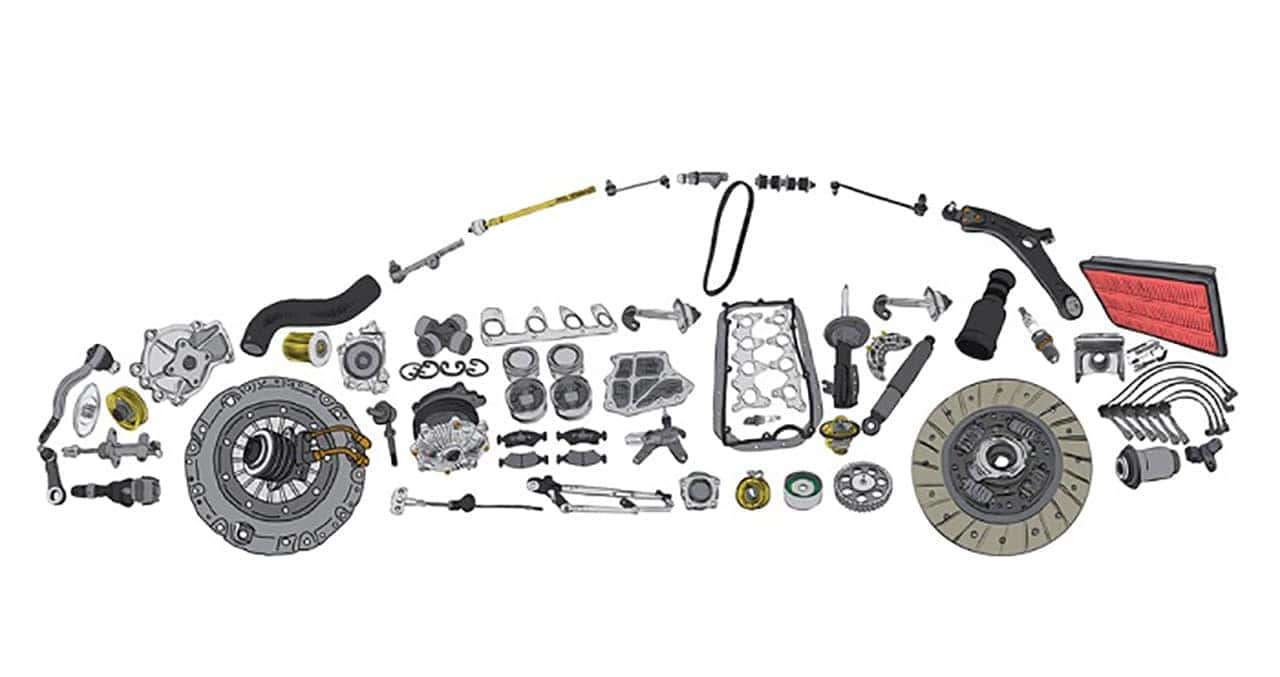
How Online Car Parts Pricing Works
Online pricing for car parts is shaped by several key factors, often working together.
1. OEM vs. Aftermarket Parts
One of the biggest price drivers is whether the part is OEM (Original Equipment Manufacturer) or aftermarket.
OEM parts are made by the vehicle manufacturer or its official supplier. They usually fit perfectly and meet factory specs—but they’re often more expensive.
Aftermarket parts are produced by third-party brands. Quality can range from budget to premium, but prices are typically lower due to competition.
Instead of guessing, you can quickly compare OEM and aftermarket prices for the same part on parthunt24.com or other price comparison websites.
2. Brand, Quality, and Warranty
Not all aftermarket parts are equal. Well-known brands with long warranties and proven reliability tend to cost more than no-name alternatives. Many online stores clearly list warranty length, certifications, and compatibility details—information that often isn’t available at local counters.
3. Supply, Demand, and Vehicle Popularity
Parts for common vehicles (Toyota Corolla, Ford F-150, VW Golf) are usually cheaper because they’re produced at scale. Parts for rare trims, older models, or premium brands may cost more due to limited supply.
Seasonality can also play a role:
Suspension parts often spike before winter
AC components get pricier in summer
Body parts fluctuate based on accident rates
4. Seller Markups and Distribution
Some online stores act as direct distributors, while others are marketplaces connecting multiple sellers. Fewer middlemen usually means better prices. This is why price comparison tools are so useful—they expose markup differences instantly.
The same comes with Oil if you are wondering what oil you should choose mineral or synthetic check this guide.
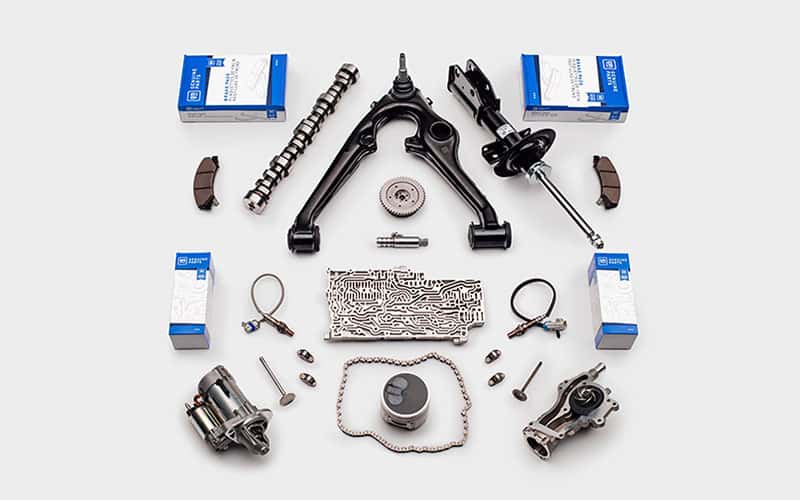
Where to Buy Car Parts Online
There’s no single “best” place—it depends on what you value most.
Online Auto Parts Stores
These specialize in car parts and usually offer:
VIN-based compatibility checks
Technical descriptions
Dedicated customer support
They’re ideal if you want certainty and documentation.
Marketplaces
Large marketplaces often have competitive prices and fast shipping, but quality control depends heavily on the seller. Always check reviews and return policies carefully.
Price Comparison Websites
Comparison platforms help you see:
OEM vs aftermarket prices side by side
Multiple sellers for the same part number
Price trends over time
They’re especially useful for expensive items like turbochargers, headlights, or control arms.
Pros of Buying Car Parts Online
Lower prices
Online competition keeps margins tight, often beating local shops by 20–40%.
Huge selection
You’re not limited to what’s in stock nearby.
Easy price comparison
A few clicks can save you significant money.
Convenience
Order anytime, from anywhere—especially helpful if you already know the exact part number.
Cons to Keep in Mind
Fitment mistakes
Ordering the wrong part is the most common issue. Always double-check VIN, engine type, and production year.
Shipping time
Unlike local stores, you may wait days for delivery.
Returns can be inconvenient
Heavy or bulky items (brake discs, body panels) can be expensive to ship back.
Quality varies
Especially with very cheap aftermarket options—research matters.
What Should You Expect to Pay?
While prices vary by region and vehicle, rough online ranges often look like this:
Brake pads: lower than dealership pricing, often significantly
Filters (oil, air, cabin): some of the biggest online savings
Suspension components: wide range depending on brand and warranty
Electronics and sensors: OEM pricing stays high, aftermarket varies a lot
The key is comparison. The same part number can differ dramatically in price depending on seller, brand, and availability. It’s worth to check what vehicle equipment is installed by manufacurer and after production.
Final Thoughts
Buying car parts online can save you money and time—but only if you understand how pricing works. Knowing the difference between OEM and aftermarket, checking compatibility carefully, and using comparison tools can make a huge difference.
For everyday maintenance and even major repairs, online shopping is no longer just an alternative—it’s often the smartest first step.
How to Compare Car Parts Prices Effectively
When shopping online, it's essential to compare prices across multiple platforms to ensure you're getting the best deal. Look beyond the sticker price—factor in shipping costs, taxes, and potential return fees. Use comparison tools or browser extensions that aggregate prices from different sites. Pay attention to product specifications to avoid accidentally comparing different quality levels or brands. Reading customer reviews can also provide insight into whether a lower price means lower quality or if it's simply a better deal.
Tips for Safe and Smart Online Car Parts Shopping
To avoid scams and ensure you receive the correct part, always shop from reputable websites with secure payment options. Check for clear return and warranty policies before making a purchase. Save all correspondence and receipts in case you need to resolve an issue. If possible, use your vehicle's VIN to confirm compatibility. Finally, beware of deals that seem too good to be true—extremely low prices can sometimes indicate counterfeit or substandard parts.